

Published by Hoblolzet Travel
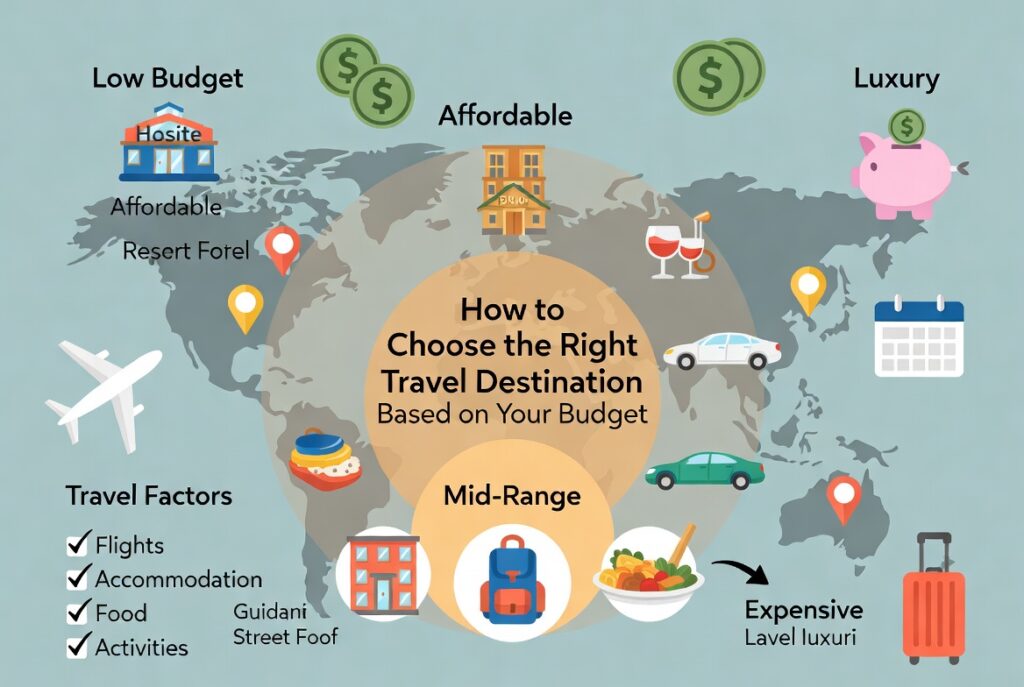
Dreaming of your next adventure but worried about the cost? The good news is that you don’t need to be wealthy to explore the world. With proper planning and smart budgeting, you can visit incredible destinations without putting yourself under financial pressure.
The secret isn’t spending more—it’s choosing a destination that matches your budget. In this guide, we’ll show you how to make the right choice so you can enjoy an unforgettable trip while staying financially comfortable.
Why Your Budget Should Come First
One of the biggest mistakes travelers make is selecting a destination before deciding how much they can realistically afford. This often leads to overspending, financial stress, or even canceling a trip altogether.
Instead, determine your travel budget first. Once you know how much you’re comfortable spending, you can choose destinations that offer the best value for your money.
Remember, a memorable vacation isn’t defined by how expensive it is—it’s defined by the experiences you create.
Step 1: Set Your Total Travel Budget
Before searching for flights or hotels, calculate how much you’re willing to spend on your entire trip.
Your budget should include:
- Flights
- Accommodation
- Visa fees (if required)
- Travel insurance
- Local transportation
- Food and drinks
- Attractions and activities
- Shopping and souvenirs
- Emergency funds
Having a complete picture of your expenses helps prevent unpleasant surprises during your trip.
Step 2: Decide What Type of Traveler You Are
Every traveler has different priorities. Understanding yours makes it easier to choose the right destination.
Budget Traveler
If your goal is to spend as little as possible, look for destinations with affordable accommodation, inexpensive public transportation, and low daily living costs.
Comfort Traveler
If you enjoy private rooms, comfortable hotels, guided tours, and a few luxury experiences, plan for a moderate budget and choose destinations that offer good value.
Luxury Traveler
If you’re looking for premium hotels, fine dining, exclusive experiences, and private transportation, focus on destinations known for luxury travel and prepare a larger budget.
Step 3: Compare Flight Costs
Airfare is often the biggest travel expense.
A beautiful destination isn’t a bargain if flights consume most of your budget.
Before making a decision:
- Compare prices across different airlines.
- Be flexible with your travel dates.
- Consider nearby airports.
- Book several weeks or months in advance when possible.
- Avoid peak holiday periods if your schedule allows.
Sometimes traveling one or two days earlier or later can significantly reduce your airfare.
Step 4: Research the Daily Cost of Living
The cost of your destination affects your overall travel budget just as much as your flight.
Research average prices for:
- Hotels
- Meals
- Local transportation
- Tourist attractions
- Internet access
- Entertainment
Some destinations are surprisingly affordable, allowing travelers to stay longer without increasing their budget.
Step 5: Think Beyond the Flight Ticket
A low airfare doesn’t always mean a cheap vacation.
Ask yourself:
- Do I need a visa?
- Will I need vaccinations?
- Is transportation expensive?
- Are tourist attractions affordable?
- Is travel insurance recommended?
Looking at the total cost—not just the ticket price—helps you make a smarter decision.
Step 6: Consider the Best Time to Travel
Traveling during the off-season can save you money while giving you a more relaxed experience.
Benefits include:
- Lower hotel prices
- Cheaper flights
- Smaller crowds
- Better availability
- More enjoyable sightseeing
Always check the weather before booking to make sure the season suits your travel plans.
Step 7: Match the Destination to Your Travel Goals
Ask yourself why you’re traveling.
Do you want:
- A relaxing beach holiday?
- A cultural experience?
- An exciting city break?
- A romantic getaway?
- A family vacation?
- A business trip?
- An adventure-filled holiday?
Choosing a destination that matches your purpose will make your trip more rewarding.
Step 8: Don’t Forget Exchange Rates
Currency exchange can have a significant impact on your travel expenses.
Before booking:
- Check the exchange rate.
- Estimate your daily spending.
- Learn whether cash or cards are more widely accepted.
- Notify your bank if you’ll be using your cards abroad.
Good planning helps you avoid unnecessary banking fees and financial surprises.
Step 9: Build an Emergency Cushion
Even the best travel plans can change unexpectedly.
Set aside extra money for:
- Flight delays
- Medical emergencies
- Lost luggage
- Transportation changes
- Unexpected accommodation costs
Having an emergency fund gives you peace of mind throughout your trip.
Practical Budget Example
Imagine you have a total travel budget of $1,500.
You could allocate it like this:
- Flights: $500
- Accommodation: $450
- Food: $250
- Transportation: $100
- Attractions: $100
- Emergency Fund: $100
This simple breakdown helps you stay in control of your spending while still enjoying your journey.
Final Thoughts
Choosing the right travel destination isn’t about finding the most popular place—it’s about finding the destination that offers the best experience within your budget.
By planning ahead, comparing costs, researching your destination, and setting realistic expectations, you can travel confidently without overspending.
At Hoblolzet Travel, we believe everyone deserves the opportunity to explore the world. Whether you’re planning your first international trip or your next great adventure, smart planning is the key to unforgettable experiences.
Start with your budget, choose wisely, and let every journey become a story worth telling.
Need help planning your next trip? Explore our travel resources and discover affordable flights, comfortable accommodations, and trusted travel services designed to make your journey smooth from start to finish.
Leave a Reply